
Growing Poinsettias Successfully: Essential Tips for Year-Round Color
Millions of these holiday staples end up in the compost bin by January. Most people treat them as disposable decorations instead of the long-living tropical shrubs they actually are. However, learning how to grow poinsettias successfully starts with one key idea: these plants crave the same warmth and humidity you do.
In fact, botanists classify Euphorbia pulcherrima as a native of Mexico. Therefore, that chilly draft near your front door is not refreshing—it is the plant’s worst enemy.
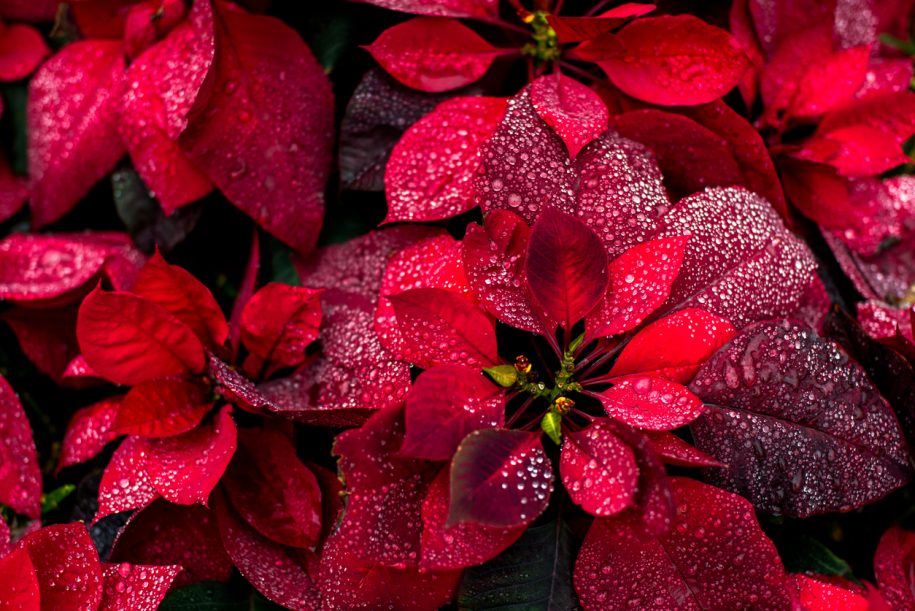
At first glance, those vibrant red “petals” seem like flowers. However, they are actually modified leaves called bracts. These bracts guide pollinators toward the tiny yellow flowers in the center. Once you understand this, poinsettia care becomes much easier. Instead of maintaining a bouquet, you begin nurturing a perennial plant that can thrive year after year.
The Goldilocks Rule for Light and Heat
Since poinsettias come from Mexico, they need plenty of light—even in winter. However, direct sunlight can scorch the colorful bracts. Therefore, place your plant in bright, indirect light rather than harsh sun.
Think of it like a cat finding a sunny spot on the floor. Your poinsettia wants that same gentle warmth for at least six hours each day. This setup meets ideal poinsettia light requirements indoors.
In addition, location matters more than you might expect. These plants react quickly to temperature changes. If you notice problems, you may ask, “Why are my poinsettia leaves falling off?” In most cases, the answer is simple: drafts.
For example, heater vents, cold entryways, and even windowpanes can stress the plant. This “draft zone” effect often causes sudden leaf drop.
Quick Location Checklist
Lighting: Bright, indirect light most of the day
Stability: No heater vents or cold drafts nearby
Temperature: Consistent 65–75°F
Once you find the right location, you must focus on watering correctly.
Master the Finger Test for Proper Watering
If you want to grow poinsettias successfully, stop following a strict watering schedule. Many people accidentally overwater their plants by sticking to a weekly routine. Others leave the plant inside decorative foil, which traps water and causes root problems.
Instead, use the “Finger Test.” Simply push your finger about one inch into the soil. If it feels cool and damp, wait. If it feels dry, then water the plant.
This method helps you avoid one of the most common problems: root rot.
To prevent root rot in poinsettias, always ensure proper drainage. For instance, if the soil is wet and leaves are turning yellow or falling off, the plant is likely overwatered—not thirsty.
To fix this:
Remove the decorative cover
Water the plant at the sink
Let all excess water drain out completely
By following these steps, you keep the roots healthy and strong.
As winter ends, your plant may start looking thin and leggy. However, this is normal. It simply means the plant is ready for the next stage.
Pruning Poinsettias for Bushy Growth
Many people throw away their poinsettias after the holidays. However, this is a mistake. The plant is not dying—it is entering a natural rest phase.
Therefore, proper poinsettia care after Christmas includes pruning. This step resets the plant and encourages new growth.
Although pruning may feel aggressive, it is necessary. Without it, the plant becomes tall and weak instead of full and compact.
March Pruning Routine
Cut stems to 4–6 inches
Leave 1–3 growth nodes on each stem
Apply fertilizer once new growth appears
After pruning, the plant begins to recover. At this stage, use a balanced houseplant fertilizer every two weeks. In addition, consider repotting if the soil feels compacted. Fresh, well-draining soil supports healthy roots.
Once the plant regains strength, you can focus on the final step: restoring the red color.
How to Make Poinsettias Turn Red Again
Getting poinsettias to turn red again requires consistency. While it may seem complicated, it follows a simple rule: control light exposure.
Starting around October 1st, your plant needs long nights and short days. Specifically, it requires 14 hours of darkness and 10 hours of light.
The Closet Method
Place the plant in total darkness at 5:00 PM
Return it to light at 7:00 AM
Repeat this daily without interruption
Even small amounts of light can disrupt this process. For example, streetlights or indoor lighting can prevent color change. Therefore, ensure complete darkness by using a box or closet.
After several weeks, you will notice the leaves changing color. By late November, the plant should show vibrant red bracts again.
Once this happens, you can stop the routine and display your plant normally.
A Simple Year-Round Poinsettia Care Plan
Growing poinsettias successfully is not difficult once you understand the process. Instead of treating them as seasonal decor, treat them as long-term houseplants.
Many people ask, “Are poinsettias toxic to pets?” While they can cause irritation, they are not highly dangerous. Still, placing them out of reach is a smart precaution.
Unlike low-maintenance plants, poinsettias need attention to light, temperature, and watering. However, the reward is worth it.
When those green leaves turn red again, you see the result of proper care. Even if you struggled before, you now have a clear system to follow.
Start today by checking your plant’s soil. Then, follow this guide step by step. With consistency, your poinsettia will thrive—and you will keep that holiday color alive all year long.
Leave a Reply
You must be logged in to post a comment.